
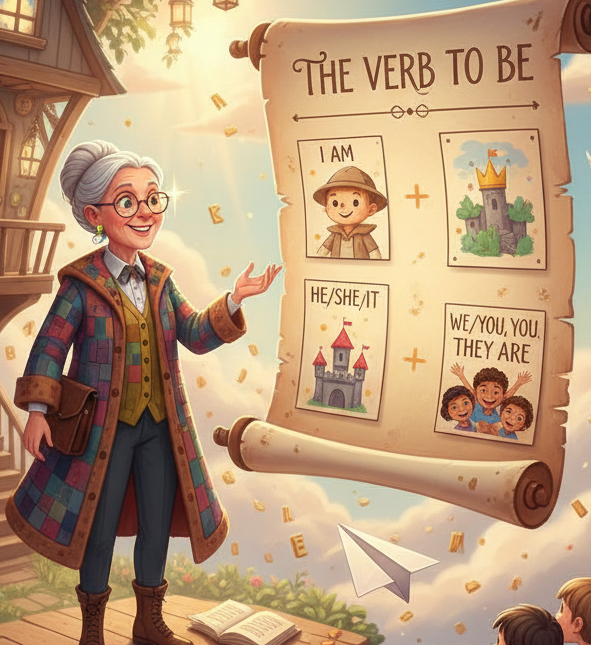
Il present simple del verbo to be in inglese
Il present simple del verbo to be corrisponde al presente indicativo in italiano ed è uno dei verbi fondamentali della lingua inglese. Si usa per:
-
Presentare se stessi o altri:
-
I’m Julia (/aɪm ˈdʒuːliə/) → Sono Giulia
-
They’re my friends John and Mark (/ðeər maɪ frɛndz ʤɒn ənd mɑːrk/) → Loro sono i miei amici John e Mark
-
-
Dire l’ora:
-
It’s 11:15 (/ɪts ɪˈlɛvən ˈfɪftiːn/) → Sono le ore 11:15
-
-
Descrivere stati o aggettivi:
-
I’m tired (/aɪm ˈtaɪərd/) → Sono stanca
-
-
Indicare la nazionalità:
-
Luca is German (/ˈluːkə ɪz ˈʤɜːrmən/) → Luca è tedesco
-
1. Coniugazione del verbo to be (forma affermativa)
| Soggetto | Forma completa | Forma contratta | Pronuncia |
|---|---|---|---|
| I | am | I’m | /aɪ æm/ → /aɪm/ |
| You | are | You’re | /juː ɑːr/ → /jʊər/ |
| He / She / It | is | He’s / She’s / It’s | /hiː ɪz/, /ʃiː ɪz/, /ɪt ɪz/ → /hiːz/, /ʃiːz/, /ɪts/ |
| We | are | We’re | /wiː ɑːr/ → /wɪər/ |
| They | are | They’re | /ðeɪ ɑːr/ → /ðeɪər/ |
Mini-dialogo:
A: I’m Marco. What’s your name? (/aɪm ˈmɑːrkoʊ/ /wɒts jɔːr neɪm/)
B: I’m Lisa. (/aɪm ˈliːsə/)
2. Usi aggiuntivi del verbo to be
-
Età: I’m nine years old (/aɪm naɪn jɪərz oʊld/) → Ho nove anni
-
Sensazioni o condizioni: I’m hungry (/aɪm ˈhʌŋɡri/) → Ho fame
I’m hot (/aɪm hɒt/) → Ho caldo -
Professioni: Jenny is a hairdresser (/ˈʤɛni ɪz ə ˈheərˌdrɛsər/) → Jenny è una parrucchiera
-
Condizioni meteo: It’s hot today (/ɪts hɒt təˈdeɪ/) → Oggi fa caldo
3. Forma negativa
La forma negativa si ottiene aggiungendo not o la contrazione n’t subito dopo il verbo.
| Esempio | Forma contratta | Traduzione | Pronuncia |
|---|---|---|---|
| I am not | I’m not | Non sono | /aɪ æm nɒt/ → /aɪm nɒt/ |
| You are not | You aren’t | Non sei | /juː ɑːr nɒt/ → /juː ɑːrnt/ |
| He / She / It is not | He isn’t / She isn’t / It isn’t | Non è | /hiː ɪz nɒt/ → /hiː ˈɪznt/ |
Mini-dialogo:
A: Are you tired? (/ɑːr juː ˈtaɪərd/)
B: No, I’m not. (/aɪm nɒt/)
4. Forma interrogativa
Si ottiene invertendo il soggetto e il verbo.
⚠️ Nella forma interrogativa non si usa la contrazione.
| Esempio | Traduzione | Pronuncia |
|---|---|---|
| Are you from USA? | Vieni dagli USA? | /ɑːr juː frɒm juːˌɛsˈeɪ/ |
| Is this your home? | Questa è casa tua? | /ɪz ðɪs jɔːr hoʊm/ |
| How old are you? | Quanti anni hai? | /haʊ oʊld ɑːr juː/ |
Risposte brevi
Le risposte brevi si ottengono ripetendo il pronome soggetto e l’ausiliare:
-
A: Are you from USA? (/ɑːr juː frɒm juːˌɛsˈeɪ/)
B: Yes, I am. (/jɛs, aɪ æm/) -
A: Is this your home? (/ɪz ðɪs jɔːr hoʊm/)
B: Yes, it is. (/jɛs, ɪt ɪz/) -
A: How old are you? (/haʊ oʊld ɑːr juː/)
B: I’m fourteen. (/aɪm ˈfɔːrtiːn/)
Conclusione
Il verbo to be al present simple è essenziale per presentarsi, parlare di età, condizioni, professioni, sensazioni e il meteo. Conoscere forma affermativa, negativa, interrogativa e risposte brevi, insieme alle forme contratte, ti permette di comunicare in modo naturale in inglese parlato e scritto.