
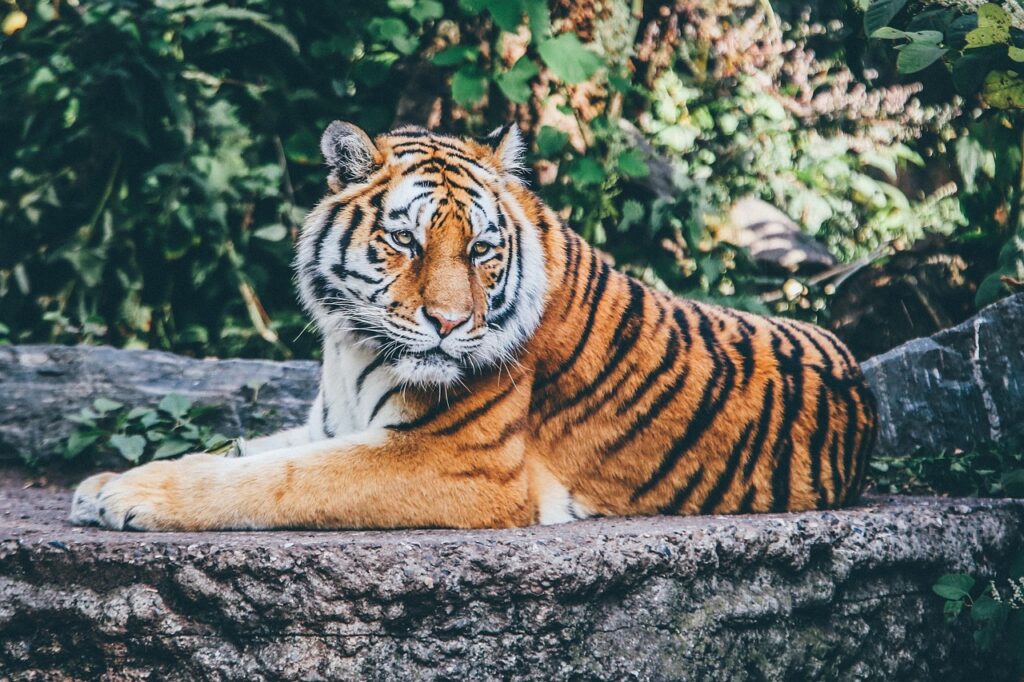
Una giornata allo zoo: vocabolario e frasi in inglese
Una giornata allo zoo (/ə ˈzuː deɪ/) è perfetta per scoprire animali, imparare curiosità sulla natura e divertirsi con amici o famiglia.
Conoscere il vocabolario inglese relativo agli animali e alle attività allo zoo ti permette di:
-
Parlare con personale o visitatori stranieri
-
Scrivere racconti, post sui social o diari di viaggio
-
Arricchire il tuo inglese con termini scientifici e descrittivi
2. Termini chiave dello zoo
| Italiano | Inglese | Pronuncia | Esempio | Traduzione |
|---|---|---|---|---|
| Zoo | Zoo | /zuː/ | We spent the whole day at the zoo. | Abbiamo passato tutta la giornata allo zoo. |
| Animale | Animal | /ˈænɪməl/ | Lions are my favorite animals. | I leoni sono i miei animali preferiti. |
| Leone | Lion | /ˈlaɪən/ | The lion is sleeping. | Il leone sta dormendo. |
| Tigre | Tiger | /ˈtaɪɡər/ | The tiger is very fast. | La tigre è molto veloce. |
| Elefante | Elephant | /ˈɛlɪfənt/ | Elephants are very intelligent. | Gli elefanti sono molto intelligenti. |
| Scimmia | Monkey | /ˈmʌŋki/ | The monkeys are playing in the trees. | Le scimmie giocano sugli alberi. |
| Giraffa | Giraffe | /ʤɪˈræf/ | The giraffes are eating leaves from the trees. | Le giraffe mangiano le foglie dagli alberi. |
| Pappagallo | Parrot | /ˈpærət/ | The parrot can talk. | Il pappagallo sa parlare. |
| Reptile | Reptile | /ˈrɛptaɪl/ | There is a reptile section in the zoo. | C’è una sezione dei rettili nello zoo. |
| Serpente | Snake | /sneɪk/ | The snake is very long. | Il serpente è molto lungo. |
| Orso | Bear | /bɛər/ | The bear is fishing in the river. | L’orso sta pescando nel fiume. |
| Panda | Panda | /ˈpændə/ | The panda is eating bamboo. | Il panda sta mangiando bambù. |
| Acquario | Aquarium | /əˈkwɛəriəm/ | The aquarium has many colorful fish. | L’acquario ha molti pesci colorati. |
| Biglietto | Ticket | /ˈtɪkɪt/ | I bought a ticket for the zoo. | Ho comprato un biglietto per lo zoo. |
| Mappa | Map | /mæp/ | We used the map to find the animals. | Abbiamo usato la mappa per trovare gli animali. |
| Esibizione | Show / Exhibit | /ʃoʊ/ / ˈɛksɪbɪt/ | The dolphin show was amazing. | Lo spettacolo dei delfini è stato incredibile. |
| Carrello bambini | Stroller | /ˈstroʊlər/ | We rented a stroller for the little one. | Abbiamo noleggiato un passeggino per il piccolo. |
3. Attività comuni allo zoo
3.1 Visitare e osservare gli animali
-
To see the animals (/tuː siː ði ˈænɪməlz/) – vedere gli animali
-
We see lions, tigers, and bears in the zoo. – Vediamo leoni, tigri e orsi allo zoo.
-
-
To feed the animals (/tuː fiːd ði ˈænɪməlz/) – dare da mangiare agli animali
-
Children can feed some animals in the petting area. – I bambini possono dare da mangiare ad alcuni animali nell’area interattiva.
-
-
To watch a show (/tuː wɒʧ ə ʃoʊ/) – guardare uno spettacolo
-
We watched a dolphin show in the afternoon. – Abbiamo guardato lo spettacolo dei delfini nel pomeriggio.
-
3.2 Scoprire e imparare
-
To learn about animals (/tuː lɜːrn əˈbaʊt ˈænɪməlz/) – imparare sugli animali
-
I learned that elephants can live up to 70 years. – Ho imparato che gli elefanti possono vivere fino a 70 anni.
-
-
To read information boards (/tuː riːd ˌɪnfərˈmeɪʃən bɔːrdz/) – leggere i pannelli informativi
-
The boards explain where the animals come from. – I pannelli spiegano da dove provengono gli animali.
-
3.3 Scattare foto e divertirsi
-
To take pictures (/tuː teɪk ˈpɪkʧərz/) – scattare foto
-
We take pictures of the giraffes and zebras. – Scattiamo foto alle giraffe e alle zebre.
-
-
To enjoy the day (/tuː ɪnˈʤɔɪ ðə deɪ/) – godersi la giornata
-
We enjoy the day walking around the zoo. – Ci godiamo la giornata camminando per lo zoo.
-
4. Frasi utili per descrivere la giornata
-
It’s a sunny day and perfect for visiting the zoo. (/ɪts ə ˈsʌni deɪ ənd ˈpɜːrfɪkt fɔːr ˈvɪzɪtɪŋ ðə zuː/) – È una giornata di sole perfetta per visitare lo zoo.
-
The monkeys are playing and swinging on the trees. (/ðə ˈmʌŋkiz ɑːr ˈpleɪɪŋ ənd ˈswɪŋɪŋ ɒn ðə triːz/) – Le scimmie giocano e si dondolano sugli alberi.
-
I learned that pandas eat mostly bamboo. (/aɪ lɜːrnd ðæt ˈpændəz iːt ˈmoʊstli ˈbæmbuː/) – Ho imparato che i panda mangiano principalmente bambù.
-
The dolphin show was incredible and very funny. (/ðə ˈdɒlfɪn ʃoʊ wəz ɪnˈkrɛdəbl ənd ˈvɛri ˈfʌni/) – Lo spettacolo dei delfini è stato incredibile e molto divertente.
-
We bought some souvenirs at the gift shop. (/wiː bɔːt sʌm ˈsuːvənɪərz æt ðə ɡɪft ʃɒp/) – Abbiamo comprato dei souvenir nel negozio dello zoo.
5. Dialogo tipico allo zoo
Anna e Luca visitano lo zoo insieme
-
Anna: Hi Luca! Look at the lions! They are sleeping. (/haɪ ˈluːkə lʊk æt ðə ˈlaɪənz ðeɪ ɑːr ˈsliːpɪŋ/) – Ciao Luca! Guarda i leoni! Stanno dormendo.
-
Luca: Wow, they are huge! Let’s go see the monkeys next. (/waʊ ðeɪ ɑːr hjuːʤ lɛts ɡoʊ siː ðə ˈmʌŋkiz nɛkst/) – Wow, sono enormi! Andiamo a vedere le scimmie adesso.
-
Anna: Look, the giraffes are eating leaves from the trees! (/lʊk ðə ʤɪˈræfs ɑːr ˈiːtɪŋ liːvz frəm ðə triːz/) – Guarda, le giraffe stanno mangiando le foglie dagli alberi!
-
Luca: Let’s take pictures! (/lɛts teɪk ˈpɪkʧərz/) – Facciamo delle foto!
-
Anna: Don’t forget to visit the reptile house after lunch. (/doʊnt fəˈɡɛt tuː ˈvɪzɪt ðə ˈrɛptaɪl haʊs ˈæftər lʌnʧ/) – Non dimenticare di visitare la casa dei rettili dopo pranzo.
6. Consigli pratici
-
Impara prima i termini chiave (animals, lion, tiger, giraffe, monkey…).
-
Usa le frasi pronte per descrivere le attività: see, feed, watch, learn, enjoy.
-
Aggiungi aggettivi per rendere la descrizione più vivida: amazing, incredible, playful, huge, colorful.
- Prova a scrivere o raccontare la tua giornata allo zoo in inglese usando il vocabolario appreso.