
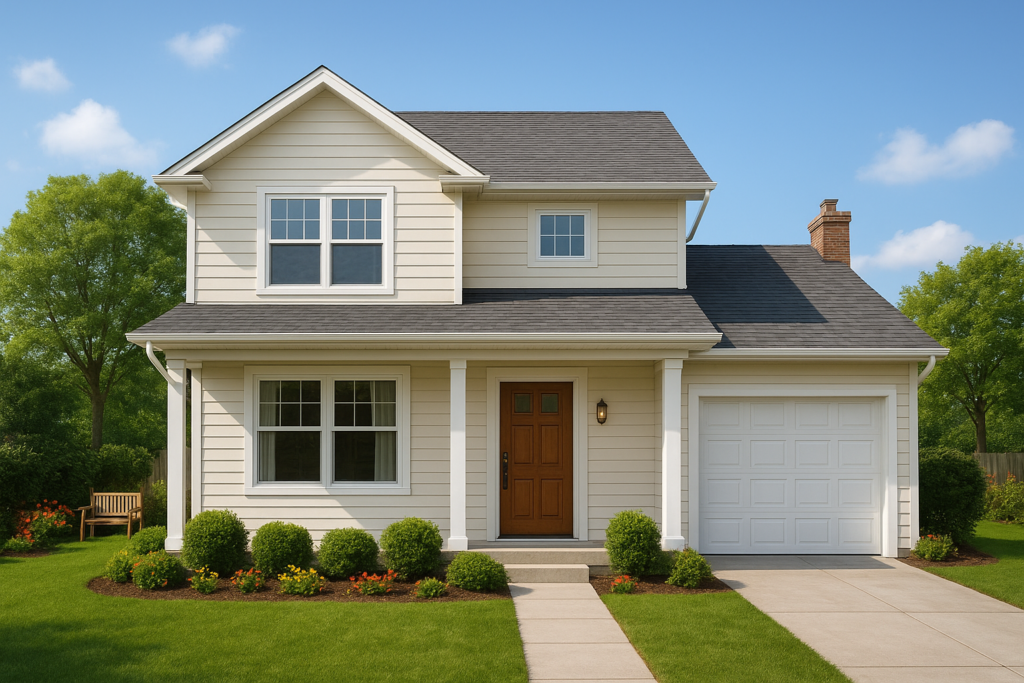
Come descrivere una casa in inglese: parole semplici ed esempi pratici
Descrivere una casa in inglese è utile quando parli della tua abitazione, leggi racconti o ascolti dialoghi. Non serve un inglese complicato: bastano parole semplici, strutture chiare e un po’ di pratica.
In questo articolo ogni parola o frase in inglese è accompagnata dalla pronuncia e dalla traduzione in italiano, così puoi capire tutto anche se sei all’inizio.
Le strutture di base per descrivere una casa
There is / There are: dire cosa c’è
Per descrivere cosa c’è in una casa si usa there is (ˈðɛr ɪz, c’è) per il singolare e there are (ˈðɛr ɑː, ci sono) per il plurale.
Esempi:
-
There is a kitchen. (ˈðɛr ɪz ə ˈkɪʧɪn, C’è una cucina.)
There is a modern kitchen in my house. (ˈðɛr ɪz ə ˈmɒdən ˈkɪʧɪn ɪn maɪ haʊs, C’è una cucina moderna nella mia casa.) -
There are two bedrooms. (ˈðɛr ɑː tuː ˈbɛdruːmz, Ci sono due camere da letto.)
There are two bedrooms on the first floor. (ˈðɛr ɑː tuː ˈbɛdruːmz ɒn ðə fɜːst flɔː, Ci sono due camere da letto al primo piano.)
Suggerimento: “There is” per singoli oggetti o stanze, “There are” per più oggetti o stanze.
Le preposizioni di luogo: dire dove si trova qualcosa
Le preposizioni servono a spiegare dove si trova un oggetto o una stanza:
-
in (ɪn, in / dentro)
The sofa is in the living room. (ðə ˈsəʊfə ɪz ɪn ðə ˈlɪvɪŋ ruːm, Il divano è nel soggiorno.) -
on (ɒn, su)
The lamp is on the table. (ðə læmp ɪz ɒn ðə ˈteɪbl, La lampada è sul tavolo.) -
next to (nɛkst tuː, accanto a)
The fridge is next to the oven. (ðə frɪʤ ɪz nɛkst tuː ði ˈəʊvn, Il frigorifero è accanto al forno.) -
behind (bɪˈhaɪnd, dietro)
The chair is behind the desk. (ðə ʧeər ɪz bɪˈhaɪnd ðə dɛsk, La sedia è dietro la scrivania.) -
in front of (ɪn frʌnt ɒv, davanti a)
The TV is in front of the sofa. (ðə tiːˈviː ɪz ɪn frʌnt ɒv ðə ˈsəʊfə, La TV è davanti al divano.) -
between (bɪˈtwiːn, tra)
The table is between the sofa and the window. (ðə ˈteɪbl ɪz bɪˈtwiːn ðə ˈsəʊfə ənd ðə ˈwɪndəʊ, Il tavolo è tra il divano e la finestra.) -
near (nɪər, vicino a)
The bed is near the window. (ðə bɛd ɪz nɪər ðə ˈwɪndəʊ, Il letto è vicino alla finestra.) -
opposite (ˈɒpəzɪt, di fronte a)
The wardrobe is opposite the bed. (ðə ˈwɔːdrəʊb ɪz ˈɒpəzɪt ðə bɛd, L’armadio è di fronte al letto.)
Gli aggettivi: rendere la descrizione più vivace
Gli aggettivi rendono la descrizione più chiara e interessante:
-
big (bɪɡ, grande) → The living room is big. (ðə ˈlɪvɪŋ ruːm ɪz bɪɡ, Il soggiorno è grande.)
-
small (smɔːl, piccolo) → The bathroom is small. (ðə ˈbɑːθruːm ɪz smɔːl, Il bagno è piccolo.)
-
cozy (ˈkəʊzi, accogliente) → My bedroom is cozy. (maɪ ˈbɛdruːm ɪz ˈkəʊzi, La mia camera è accogliente.)
-
bright (braɪt, luminoso) → The kitchen is bright. (ðə ˈkɪʧɪn ɪz braɪt, La cucina è luminosa.)
-
modern (ˈmɒdərn, moderno) → The house has a modern design. (ðə haʊs hæz ə ˈmɒdərn dɪˈzaɪn, La casa ha un design moderno.)
-
comfortable (ˈkʌmfətəbl, comodo) → The sofa is comfortable. (ðə ˈsəʊfə ɪz ˈkʌmfətəbl, Il divano è comodo.)
Descrivere le stanze della casa
Living room / Soggiorno
Parole principali:
-
sofa (ˈsəʊfə, divano)
-
armchair (ˈɑːmtʃeər, poltrona)
-
coffee table (ˈkɒfi ˈteɪbl, tavolino)
-
lamp (læmp, lampada)
-
rug (rʌɡ, tappeto)
-
curtains (ˈkɜːtənz, tende)
Esempio completo:
The living room is big and bright. (ðə ˈlɪvɪŋ ruːm ɪz bɪɡ ənd braɪt, Il soggiorno è grande e luminoso.)
There is a comfortable sofa and two armchairs. (ˈðɛr ɪz ə ˈkʌmfətəbl ˈsəʊfə ənd tuː ˈɑːmtʃeərz, C’è un divano comodo e due poltrone.)
A small coffee table is in front of the sofa. (ə smɔːl ˈkɒfi ˈteɪbl ɪz ɪn frʌnt ɒv ðə ˈsəʊfə, Un piccolo tavolino è davanti al divano.)
Kitchen / Cucina
Vocabolario:
-
fridge (frɪdʒ, frigorifero)
-
oven (ˈəʊvn, forno)
-
sink (sɪŋk, lavabo)
-
table (ˈteɪbl, tavolo)
-
chairs (ʧeərz, sedie)
-
cabinets (ˈkæbɪnɪts, armadietti)
Esempio:
The kitchen is modern and very clean. (ðə ˈkɪʧɪn ɪz ˈmɒdərn ənd ˈvɛri kliːn, La cucina è moderna e molto pulita.)
There is a big fridge next to the oven. (ˈðɛr ɪz ə bɪɡ frɪdʒ nɛkst tuː ði ˈəʊvn, C’è un grande frigorifero accanto al forno.)
Bedrooms / Camere da letto
Vocabolario:
-
bed (bɛd, letto)
-
wardrobe (ˈwɔːdrəʊb, armadio)
-
desk (dɛsk, scrivania)
-
chair (ʧeər, sedia)
-
lamp (læmp, lampada)
Esempio Master Bedroom:
The master bedroom is big and cozy. (ðə ˈmɑːstə ˈbɛdruːm ɪz bɪɡ ənd ˈkəʊzi, La camera matrimoniale è grande e accogliente.)
There is a double bed and a large wardrobe. (ˈðɛr ɪz ə ˈdʌbl bɛd ənd ə lɑːʤ ˈwɔːdrəʊb, C’è un letto matrimoniale e un grande armadio.)
Bathroom / Bagno
Vocabolario:
-
shower (ˈʃaʊə, doccia)
-
bathtub (ˈbæθtʌb, vasca da bagno)
-
sink (sɪŋk, lavabo)
-
mirror (ˈmɪrə, specchio)
-
towel (ˈtaʊəl, asciugamano)
Esempio:
The bathroom is small but very clean. (ðə ˈbɑːθruːm ɪz smɔːl bʌt ˈvɛri kliːn, Il bagno è piccolo ma molto pulito.)
There is a shower, a sink, and a mirror. (ˈðɛr ɪz ə ˈʃaʊə, ə sɪŋk ənd ə ˈmɪrə, C’è una doccia, un lavabo e uno specchio.)
Garden / Giardino
Vocabolario:
-
flowers (ˈflaʊəz, fiori)
-
tree (triː, albero)
-
bench (bɛnʧ, panchina)
-
grass (ɡrɑːs, prato)
-
path (pɑːθ, sentiero)
Esempio:
Outside, there is a beautiful garden. (ˈaʊtsaɪd, ˈðɛr ɪz ə ˈbjuːtəfəl ˈɡɑːdn, All’esterno c’è un bellissimo giardino.)
There are flowers, a small wooden bench, and a big tree. (ˈðɛr ɑː ˈflaʊəz, ə smɔːl ˈwʊdn bɛnʧ ənd ə bɪɡ triː, Ci sono fiori, una piccola panchina di legno e un grande albero.)
Frasi utili generali
-
There is a sofa in the living room. (ˈðɛr ɪz ə ˈsəʊfə ɪn ðə ˈlɪvɪŋ ruːm, C’è un divano nel soggiorno.)
-
The kitchen is next to the living room. (ðə ˈkɪʧɪn ɪz nɛkst tuː ðə ˈlɪvɪŋ ruːm, La cucina è accanto al soggiorno.)
-
The bed is between two lamps. (ðə bɛd ɪz bɪˈtwiːn tuː læmps, Il letto è tra due lampade.)
-
The garden is behind the house. (ðə ˈɡɑːdn ɪz bɪˈhaɪnd ðə haʊs, Il giardino è dietro la casa.)
Conclusione
Descrivere una casa in inglese diventa facile se sai usare:
-
there is / there are per dire cosa c’è
-
prepositions per spiegare dove si trovano le cose
-
adjectives per rendere le stanze e gli oggetti più interessanti
Con un po’ di pratica, le tue descrizioni diventeranno naturali e dettagliate, e potrai parlare di qualsiasi casa in inglese senza difficoltà.